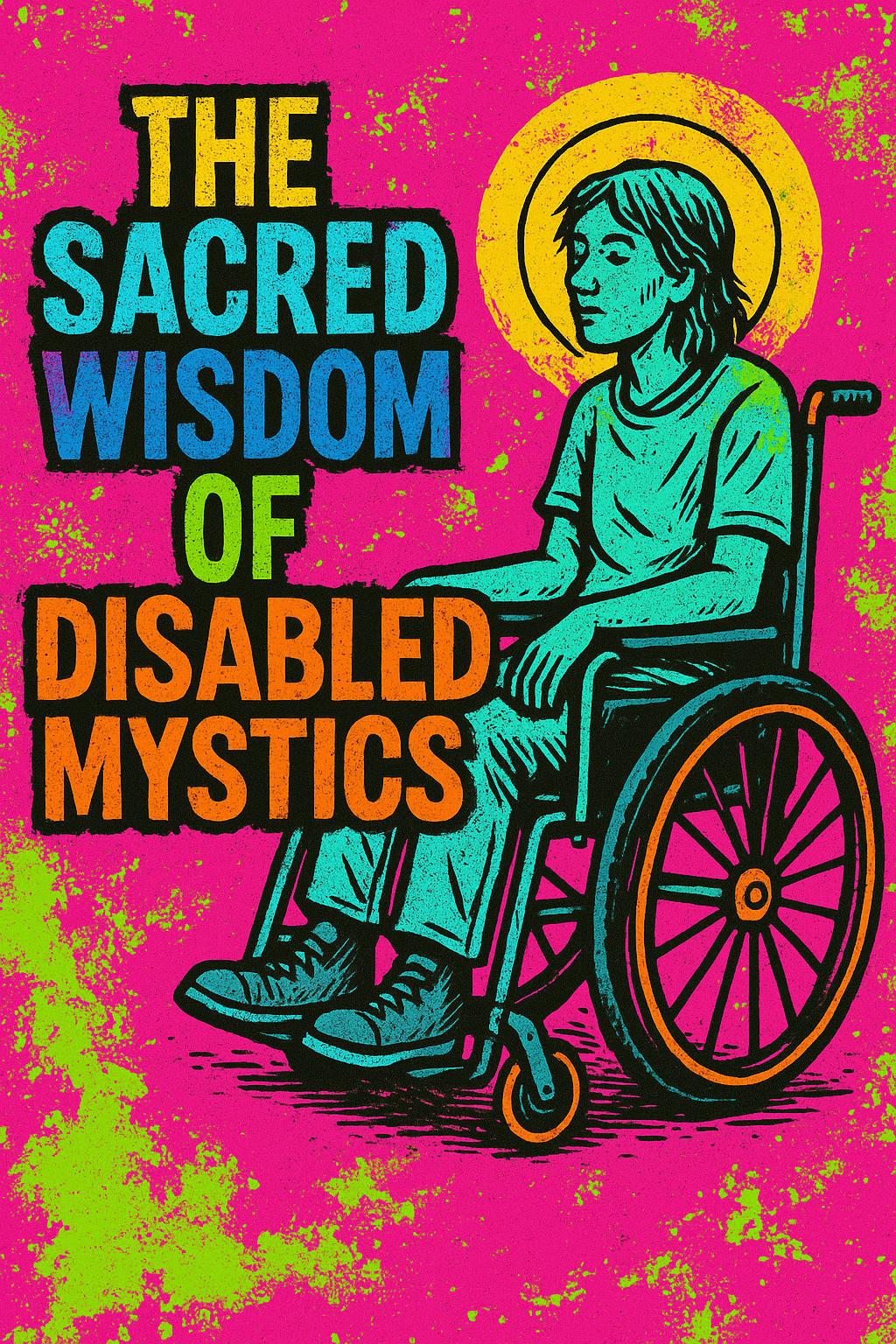
Throughout history, mystics have often been misunderstood — prophets dismissed as mad, visionaries branded heretics, and saints hidden behind walls of pain. Among these sacred souls, the disabled mystics stand out like candles flickering in the wind — fragile, yet defiantly bright. Their wounds became windows. Their limits became lenses through which divine light shone more clearly.
The Theology of the Broken Body
In a world obsessed with power, perfection, and performance, disabled mystics remind us that God’s glory is revealed in weakness. As Paul wrote, “My grace is sufficient for you, for My power is made perfect in weakness” (2 Corinthians 12:9). Many of the great mystics—Julian of Norwich, who suffered grave illness; Brother Lawrence, whose physical pain led him to practice the presence of God; or Therese of Lisieux, bedridden and frail—found the deepest communion not in their strength, but in their surrender.
Disability, in this sense, becomes not a curse but a calling — a way of living theology with one’s whole being. The body itself becomes sacred text. The wheelchair, the cane, the tremor, the memory lapse — all become syllables in the language of divine compassion.
The Prophetic Voice of Pain
Disabled mystics have always held a prophetic role in faith communities. They challenge the illusion that holiness looks like health or wholeness. They teach us that God doesn’t need a flawless vessel to pour out boundless love. Their existence dismantles ableist theology — the notion that God’s image is reserved for the strong, the productive, the “normal.”
As the world glorifies independence, the disabled mystic embodies interdependence, the divine dance of mutual care. They remind us that salvation was never meant to be a solo act.
Disability as a Doorway to Contemplation
Silence. Stillness. Waiting. These are the hallmarks of both disability and mysticism. The slow body mirrors the slow movement of grace. The loss of certain abilities can open new capacities for spiritual sight. When one’s world shrinks, the Spirit expands to fill every inch of it.
Julian of Norwich, confined to her cell by illness, could still proclaim, “All shall be well, and all shall be well, and all manner of thing shall be well.” That wasn’t denial — it was revelation. Her limited world was large enough to hold eternity.
The Modern Disabled Mystic
Today’s disabled mystics are still among us — chronic pain warriors, neurodivergent visionaries, blind poets, and bedridden prophets who livestream hope from hospital beds. They write, sing, and pray from bodies society often overlooks. They turn their suffering into solidarity. Their wheelchairs roll through holy ground. Their canes tap out the rhythm of prayer. Their assistive devices become instruments of sacred survival.
The modern disabled mystic isn’t asking for pity — they’re offering prophecy. They are the living embodiment of resurrection, proving again and again that new life rises from brokenness.
A Call to the Church
The Church must stop treating disabled people as objects of ministry and start recognizing them as ministers. The sanctuary is incomplete without their wisdom. They don’t need to be “fixed” to belong — they are the Body of Christ, bruised and glorified.
“The stone that the builders rejected has become the cornerstone” (Psalm 118:22).
In that same way, the disabled mystic becomes the cornerstone of a more compassionate, embodied, and truthful spirituality — one that refuses to separate holiness from humanity.
Closing Reflection: To be disabled and mystical is to live at the crossroads of fragility and divine fire. It is to walk—or roll, or crawl—into the heart of mystery and find there a God who also bears scars.
Because maybe the greatest mystical truth is this: God’s own body is disabled too.
🌿 The Herbal Healer: A Living Sacrament of Compassion
by Sister Abigail Hester, OFC
In every age, the Spirit raises up healers — those who listen not just to the pulse of the human heart but to the heartbeat of the earth itself. The herbal healer is one such soul, standing barefoot in the soil between heaven and humus, mediating between Creator and creation.
For me, being an herbal healer isn’t about potions or superstition; it’s a sacred vocation. Each leaf and root is a prayer, each tincture a whispered “peace be with you” to a weary body. I see herbs not as commodities to be sold, but as companions in healing, part of a living sacrament through which God’s grace flows into flesh and bone.
🌸 Healing as an Act of Love
When I blend an herbal tea or craft a salve, I’m not just mixing plants — I’m participating in an ancient dialogue between creation and compassion. Francis of Assisi called the body “Brother Donkey,” simple and stubborn but beloved. To tend it with herbal medicine is to honor the holy in the humble. Healing is not conquest but kinship.
Every herb I use carries a memory: lavender for peace, yarrow for courage, calendula for joy. These plants don’t just treat symptoms — they teach presence. They invite the wounded and the weary to slow down, breathe, and reconnect to the rhythms of life.
🌿 The Franciscan Way of Healing
As a Franciscan Clarean, I believe that healing begins with relationship: with the earth, with one another, and with God. Herbs are not tools of control — they are partners in the dance of renewal. The herbal healer is not a magician or a doctor, but a friend to creation.
To walk this path is to live with radical simplicity. You learn to grow your medicine, to harvest with prayer, to waste nothing. Healing becomes an act of nonviolence — a small rebellion against systems that profit from illness. It’s holy mischief in a world that has forgotten how to rest.
🌕 The Inner and Outer Apothecary
There’s a wild apothecary outside in the garden, and another one inside the heart. A true healer tends both. Herbs help soothe the body, but love and laughter mend the soul. Sometimes the medicine someone needs most isn’t a tincture — it’s a cup of tea shared in silence, or a reminder that they are not broken beyond repair.
I’ve learned that the best medicine often grows in the cracks — in the overlooked, the humble, the resilient. Much like grace itself.
🌼 A Rebellious Mercy
To be an herbal healer is to refuse despair. It’s to stand with the sick, the forgotten, and the earth herself, and say: You are still sacred. You still belong.
I heal because I believe resurrection happens in small ways every day — in gardens, in kitchens, in tearful prayers, in the quiet courage of those who keep loving anyway.
The herbal healer walks between worlds — rooted in soil, reaching toward the stars — reminding us that creation is still speaking, still healing, still holy.
Turning the Wheel: The Franciscan Clarean Year of Creation, Crisis, and Grace
By Sister Abigail Hester, O.F.C.C.
“Creation itself will be set free from its bondage to decay and obtain the freedom of the glory of the children of God.” — Romans 8:21
The Wheel and the Wound
The Celtic Wheel of the Year is not just folklore or festival — it’s an ancient map of divine rhythm: a cycle of light, darkness, birth, decay, and resurrection that mirrors the Gospel itself. Long before modern liturgical calendars, the Celts watched God turn the pages of creation through fire and frost, bloom and barren soil.
For Franciscan Clareans, this is not pagan nostalgia; it’s the original liturgy of creation, a way to pray with the seasons. St. Francis and St. Clare of Assisi recognized that the Incarnation sanctified the earth itself — the soil became sacrament, the seasons became psalms. Their “Canticle of the Creatures” wasn’t romantic poetry; it was theology in the open air. In a world now staggering under climate chaos and war, we must recover that vision.
Pope Francis warned in Laudate Deum (2023) that the planet is nearing “the breaking point.” He called the destruction of creation not merely an ecological issue, but a “moral collapse.” [^1] The Celtic wheel, rebaptized by the Franciscan Clarean spirit, becomes a prophetic calendar of repentance and renewal.
In ancient Ireland, Imbolc marked the first stirrings of spring — lambing time, milk flowing, light returning. It honored Brigid, patroness of poets and healers. For the Church, it aligns with Candlemas: the Presentation of Christ, the Light of the World.
Today, light feels fragile. The United Nations reported in early 2025 that over 330 million people face “acute food insecurity.” [^2] Light has gone out in many places — not just physical, but moral.
The Franciscan Clarean response: kindle small lamps of justice. Bless candles, water, herbs; but let the blessing burn into activism. Start community gardens, organize candlelight vigils for the hungry, pledge a 40-day fast from excess. Light is not sentiment — it’s rebellion against despair.
Prophetic word: “When greed extinguishes the sun, God entrusts candles to the poor.”
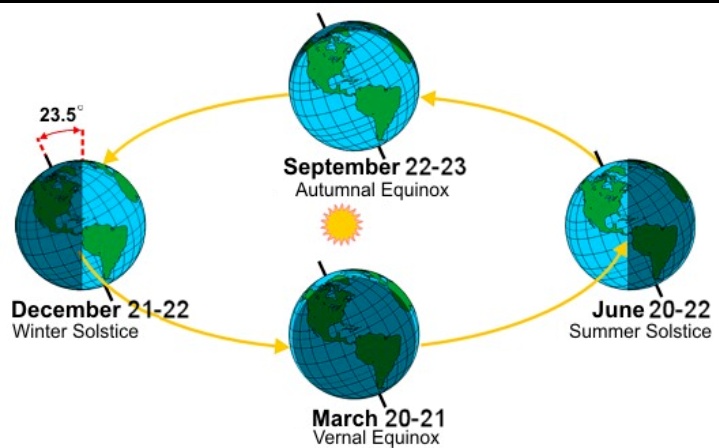
Ostara (Spring Equinox, March 20–22) — Balance & Blossoming
At Ostara, day and night stand equal — the hinge of balance. To the Franciscan Clarean, this is the Sermon to the Birds moment: Christ preaching through creation itself.
Modern biblical scholarship — from John Dominic Crossan to Amy-Jill Levine — emphasizes that Jesus’ Kingdom teachings were this-worldly. They’re about equity, not escape. Balance means feeding both body and soul.
In 2025, while nations pour trillions into AI warfare and orbital weapons, farmers in Africa lose entire harvests to drought. [^3] Balance has been violated.
So we plant. We bless the soil. We make our prayers compostable — meant to feed something real. The Order’s Sacred Table Healing Garden embodies this: tending herbs, healing the sick, reclaiming harmony between human and humus.
Prophetic word: “When the world forgets balance, resurrection begins in small, dirty hands.”
Beltane (May 1) — Fire, Fertility, & Love
Beltane is flame and union — earth and sky wedded by fire. The Church gave it the Feast of Joseph the Worker and the echoes of Pentecost. For Franciscan Clareans, this is when we celebrate holy eros — the creative power of love that births both beauty and justice.
In a society of commodified bodies and commodified labor, this feast shouts that love is sacred work. Francis’ love for lepers and Clare’s mystical devotion were eros purified — embodied compassion.
As labor protests and economic instability rise worldwide, [^4] this fire calls us to sanctify work itself. Host a “Feast of Holy Mischief”: music, dance, laughter, mutual aid, shared meals. Let the flames of Beltane burn away shame and division.
Prophetic word: “Every act of love is a torch against empire.”
Litha (Summer Solstice, June 21) — Radiance & Fullness
At Litha, the sun stands highest, the light most generous. Creation overflows. Francis would have sung his Canticle here, blessing “Brother Sun.”
But as Laudato Si’ warned, “our common home” now burns with another kind of fire. 2024 was recorded as the hottest year in human history. [^5] Abundance has turned to warning.
The Franciscan Clarean call: radical stewardship. Celebrate Litha outdoors with Eucharist under the open sky; bless fruit, herbs, and water; then organize to defend what you bless. Petition for renewable energy, plant trees, feed the poor.
Prophetic word: “Do not hoard the sun — reflect it.”
Lughnasadh (August 1) — Harvest & Gratitude
Named for the Celtic god Lugh, this festival offered the first fruits of the harvest. For us, it echoes the feeding of the five thousand — divine multiplication through sharing.
As inequality deepens, the Wheel demands we ask: who eats? In 2025, the World Food Programme warns that famine risk has doubled due to war and climate. [^6] Harvest becomes judgment.
Bake bread for your neighbors. Donate herbs from your garden. Bless labor and craft. Work becomes prayer.
Prophetic word: “God’s harvest is not stored in barns but in bellies.”
Mabon (Autumn Equinox, September 20–23) — Balance & Letting Go
Another balance point, but with falling leaves. Here we confront the grace of diminishment. St. Clare called it privilege of poverty — freedom through release.
Let go of excess, plans, control. In the Franciscan Clarean way, even ministries must die and compost. Only then do they fertilize future mercy.
With markets collapsing, political systems rotting, and churches closing, this is no tragedy — it’s pruning. We release what cannot hold life.
Prophetic word: “Let go, or be dragged.”
Samhain (October 31–November 2) — The Veil Thins
The Celtic new year — when the dead are near. For the Franciscan, it’s Sister Death’s feast. We honor saints, martyrs, and forgotten rebels.
This year, remember climate martyrs, whistleblowers, peace workers, and migrants lost at sea. Their blood is the seed of new prophets.
Hold a candlelit vigil — a “Saints and Rebels” night. Read names of those the world erased. Pray the Canticle of the Creatures with grief and gratitude.
Prophetic word: “The veil thins not to haunt us, but to enlist us.”
Yule (Winter Solstice, December 21–22) — Rebirth of Light
The longest night births the Christ-Child. Darkness becomes womb, not tomb. Here the Wheel touches Bethlehem, and the fire of Beltane is reborn as a baby’s breath.
As wars rage — in Ukraine, Gaza, Sudan — and nations harden their hearts, Yule whispers rebellion: Hope is the ultimate protest. Even now, the Light comes.
Share warmth with the homeless, bake for the hungry, give small gifts to strangers. The Incarnation happens in every act of tenderness.
Prophetic word: “The light the darkness cannot overcome — but it waits for your match.”
The Prophetic Spiral
The Celtic wheel is circular, but salvation history is spiral — the same seasons, deeper faith. We pass through winter again, but not unchanged. Each cycle asks more of us.
Francis and Clare didn’t seek novelty; they sought depth. Their prophecy was embodied poverty — living truth so fully it became contagion. The Franciscan Clarean movement now stands at a similar threshold: the world burns, the Church fractures, yet creation still sings.
Let our rhythm answer with humility, joy, and holy defiance. When the empires of this age fall — and they will — may they find us barefoot, tending the garden, feeding the hungry, blessing the dying, and singing under the stars.
Endnotes
[^1]: Pope Francis, Laudate Deum (2023), §§ 3–6. [^2]: United Nations FAO & WFP, Hunger Hotspots Report (July 2025). [^3]: IPCC Sixth Assessment Report (2022); UN OCHA, Drought Situation Update (2025). [^4]: International Labour Organization, World of Work Report 2025. [^5]: NOAA Global Climate Summary, 2024. [^6]: World Food Programme, Global Hunger Update, April 2025.
Final Blessing
“Praise be You, my Lord, through our Sister Mother Earth, who sustains and governs us.” — St. Francis
May this Wheel be not merely observed but lived. May the Order of Franciscan Clareans keep turning with creation, speaking truth to power, planting gardens of grace in the ruins, and proclaiming by our lives: the Kingdom of God is already sprouting.
🌄 Imbolc (February 1–2) — Feast of Light and Renewal
Celtic meaning: Brigid’s day — the return of the sun, milk, and life. Franciscan Clarean reflection: Celebrate St. Clare’s light and Mary’s purification. Bless candles, herbs, and water. Reflect on inner purity, fresh beginnings, and renewal of vows. 🕯️ Practice: Begin a 40-day simplicity challenge — declutter, forgive, and start anew.
🌸 Ostara (Spring Equinox, March 20–22) — Balance and Blossoming
Celtic meaning: The earth awakens; equal day and night. Franciscan Clarean reflection: Balance contemplation and action. Like Francis preaching to the birds, honor creation as resurrection in motion. 🌱 Practice: Plant seeds for the Sacred Table Healing Garden; meditate outdoors; bless the soil and the worms.
🔥 Beltane (May 1) — Fire, Fertility, and Love
Celtic meaning: Union of earth and sky, passion and life-force. Franciscan Clarean reflection: Celebrate sacred eros — divine creativity and incarnation. Recognize God in embodied joy and relationships. 🌹 Practice: Host a “Feast of Holy Mischief” — dancing, singing, poetry, barefoot laughter, and blessing of marriages and friendships.
☀️ Litha (Summer Solstice, June 21) — Radiance and Fullness
Celtic meaning: Longest day, the sun at its zenith. Franciscan Clarean reflection: Christ the Sun of Righteousness fills all things. Acknowledge abundance, gratitude, and the sacred duty of stewardship. 🌞 Practice: Hold an outdoor Eucharist. Share fruit and herbs. Offer acts of mercy for those who “walk in the heat of oppression.”
🌾 Lughnasadh (August 1) — Harvest and Gratitude
Celtic meaning: First fruits festival; honoring labor and skill. Franciscan Clarean reflection: Work, creation, and community as holy offerings. 🍞 Practice: Bake bread for the poor. Share your harvest. Reflect on the dignity of work and the gift of co-creation.
🍂 Mabon (Autumn Equinox, September 20–23) — Balance and Letting Go
Celtic meaning: Gratitude, balance of light and dark. Franciscan Clarean reflection: A time of detachment — “hold all things lightly.” Practice humility in abundance and trust in loss. 🍁 Practice: Create a gratitude altar. Share testimonies of grace and surrender.
💀 Samhain (October 31–November 2) — The Veil Thins
Celtic meaning: New Year; honoring ancestors and the dead. Franciscan Clarean reflection: Join Francis’s Canticle of Sister Death. Honor the communion of saints — seen and unseen. 🕯️ Practice: Light candles for the departed. Write prayers for the dying. Host a “Saints and Rebels” vigil for the forgotten and outcast.
❄️ Yule (Winter Solstice, December 21–22) — Rebirth of Light
Celtic meaning: The darkest night births the sun. Franciscan Clarean reflection: Incarnation. Christ is born again in the poor, in the cold, in the stable of the human heart. ✨ Practice: Bless your dwelling. Offer warm clothes or food to the homeless. Keep vigil by candlelight, singing the Canticle of Creation.
🌿 When the Buddha Met St. Francis: A Franciscan–Buddhist Synthesis for Our Time
By Sister Abigail Hester, OFC
Let’s face it: the world’s gone a little mad. Everyone’s shouting, scrolling, consuming, and forgetting how to breathe. In the middle of the chaos, two ancient voices — one from Assisi, one from beneath a Bodhi tree — whisper the same radical truth: “Let go, love deeply, and wake up.”
It turns out St. Francis and the Buddha might have been kindred spirits. Both walked away from privilege. Both sought a freedom that didn’t depend on wealth, comfort, or ego. Both found joy in simplicity and compassion in suffering. And both left behind paths of peace that refuse to die, even in our noisy century.
This is where the Franciscan–Buddhist synthesis begins — not as a trendy hybrid religion, but as a contemplative stance: an invitation to live lightly, love wholly, and see clearly.
🕊 1. Christ the Compassionate, Buddha the Awakened
Francis gazed at Christ on the cross until his own heart bled with compassion. The Buddha gazed into the nature of suffering until his mind awakened to reality. One reveals the heart of God; the other the mind of enlightenment. Together they form a single mandala of love — Christ the Compassionate, Buddha the Awakened.
For the Franciscan-Buddhist soul, compassion isn’t an accessory; it’s the whole outfit. Everything else — possessions, titles, even opinions — is just noise.
🌸 2. Poverty and Non-Attachment
Francis stripped naked in the public square, renouncing wealth. The Buddha left his palace behind. Both discovered that freedom begins when ownership ends. Franciscan poverty says, “I need nothing because God is enough.” Buddhist non-attachment says, “I cling to nothing because everything passes.” Different language, same liberation.
In a consumer culture obsessed with “more,” the Franciscan-Buddhist quietly smiles and whispers, “Less is more. Love is enough.”
🪶 3. Creation as Sacred and Interbeing
When Francis called the sun his brother and the moon his sister, he was singing the theology of interbeing centuries before the term existed. Buddhism teaches that to harm another is to harm yourself, because everything is interconnected. The Franciscan-Buddhist way says: Every leaf is holy. Every bird sings theology. Every act of kindness sustains the cosmos.
🌾 4. Contemplation and Mindfulness
St. Clare taught her sisters to “gaze, consider, contemplate, and imitate.” The Buddha taught his disciples to “breathe, observe, and awaken.”
These are not rival instructions; they are mirrors of one another.
To sit in silence and breathe is to gaze upon Christ present in the breath itself. To pray the Our Father mindfully is to chant compassion into being. Contemplation and mindfulness are two wings of the same dove — one grounded in grace, the other in awareness.
🔥 5. Suffering and Transformation
The Buddha began with the First Noble Truth: “Life involves suffering.” Jesus began with a cross: “Take it up and follow me.” Neither offered a shortcut. Both promised transformation.
The Franciscan-Buddhist doesn’t flee suffering — she befriends it, allowing compassion to be born from the wound. The Cross becomes both the Bodhi Tree and the Throne of Mercy.
🌏 6. Mission and Compassionate Action
Franciscanism and Buddhism both reject escapism. Enlightenment is useless if it doesn’t heal the world. The Franciscan-Buddhist walks into the marketplace of chaos with a peaceful heart — a living sermon that says:
“May all beings be happy. May all creation bless the Lord.”
Service becomes meditation. Activism becomes prayer. The revolution is gentle.
💫 7. Holding It All Together
Can you be Christian and Buddhist? Yes — if you walk with integrity. Christ remains the compass — the revelation of Divine Love. Buddhist practice is the lamp — illuminating the path of awareness.
Hold them both lightly. Let them correct and complete each other. Let them teach you how to breathe, how to love, and how to laugh at the absurdity of your own ego.
✨ The Franciscan–Buddhist Path in a Nutshell
Live simply.
Love generously.
Breathe deeply.
See clearly.
Serve joyfully.
Let go gracefully.
Final word: In a world addicted to noise, the Franciscan–Buddhist walks softly, carrying an inner stillness that hums like birdsong and incense. Christ shines through awareness. Awareness awakens love.
And somewhere between the crucifix and the lotus blossom, the soul finally whispers —
Samhain According to the Order of Franciscan Clareans
A Feast of Holy Thresholds
For the Order of Franciscan Clareans, Samhain (pronounced SOW-in) is not a time to fear the dark — it’s a time to become friends with it. The turning of the seasons, when autumn’s final breath gives way to winter’s stillness, is a sacred threshold — a liminal space where the seen and unseen touch hands.
We do not approach Samhain as superstition or spectacle, but as a contemplative pause — a Franciscan honoring of Brother Death, Sister Darkness, and the Communion of Saints who walk with us still.
The Theological Heart
Samhain, occurring at the end of October, aligns beautifully with the Christian observances of All Saints’ Day (Nov. 1) and All Souls’ Day (Nov. 2). For Franciscan Clareans, this is the Triduum of Memory and Mystery — when heaven feels near and eternity whispers through fallen leaves.
We remember:
The poor and forgotten who died unnamed.
The ancestors who carried us in faith and tenderness.
The creation itself, entering its time of holy rest.
We recognize that just as the earth “dies” to be reborn, so too our lives move in rhythms of surrender and resurrection.
Our Practice
On Samhain Eve (October 31), members of the Order may:
Light a simple candle for each soul they wish to remember.
Set a place at the table for those who have gone before, not to summon but to honor.
Pray the Canticle of Brother Sun, giving thanks for the full circle of life.
Spend time in silence, letting the veil between worlds become a teacher of peace rather than fear.
We do not invoke spirits or seek omens — we practice remembrance as love’s continuation. Samhain becomes a Franciscan moment of ecological and spiritual harmony — a quiet nod to God’s eternal cycles.
A Franciscan Blessing for Samhain
“Blessed are you, Sister Night, who teaches us to rest and release. Blessed are you, Brother Death, who opens the door to new creation. Blessed are you, Holy Memory, weaving heaven and earth together in the quiet fire of God’s love.”
🌾 The Franciscan Clarean Liturgy of Samhain
A Service of Holy Remembrance and Threshold Grace
October 31 – November 2
Purpose
This liturgy honors the turning of the seasons and the Communion of Saints. It celebrates God’s presence through creation’s cycles of death, rest, and rebirth. We gather not to conjure the dead, but to remember them in love — joining all creation in hope and renewal.
🕯️ Preparation
A small table or altar with:
A candle (representing the Light of Christ)
A bowl of autumn leaves or acorns
A photo or token of those being remembered
A simple cross
Optional: a small loaf of bread and cup of cider or wine (symbol of the harvest)
Keep the space dimly lit — simple, contemplative, earthy.
Opening Invocation
Leader: In the name of the Creator, the Redeemer, and the Spirit who breathes through all creation.
All: Amen.
Leader: As the veil of the year grows thin, we gather in gratitude — for the turning of the seasons, for the memory of those we love, for the quiet wisdom of the earth.
All: We bless this holy darkness, where life begins again.
🌙 Canticle of Creation and Passing
Reader: From the Canticle of the Creatures by St. Francis
Praised be You, my Lord, through Sister Moon and the stars, in heaven You formed them clear and precious and beautiful.
Praised be You, my Lord, through our Sister Mother Earth, who sustains and governs us, and produces varied fruits with colored flowers and herbs.
Praised be You, my Lord, through our Sister Bodily Death, from whom no one living can escape. Blessed are those whom death will find in Your most holy will.
Moment of silence.
🌾 Scripture Reading
John 12:24
“Unless a grain of wheat falls into the earth and dies, it remains just a single grain; but if it dies, it bears much fruit.”
Leader: In God’s rhythm of love, nothing is lost. Even the falling leaf returns to nourish the soil. Even death is folded into resurrection.
🕯️ Ritual of Remembrance
Leader: We now remember those who have walked before us — family, friends, saints, and all who carried light into our lives.
As each name is spoken, light a candle or place a leaf in the bowl.
(Participants name their beloved dead.)
After all names are spoken:
All: May their memory be a blessing, and their presence a quiet joy in our hearts.
🌬️ Prayer of Thresholds
Leader: Loving God, You dwell in the turning of the seasons, in the hush before dawn, in the breath between this life and the next. Help us to trust the holy dark — to rest, release, and rise again with all creation.
All: Grant us peace with the passing of time, and courage to walk in the mystery of Your love.
🍁 Act of Thanksgiving
Leader: Let us give thanks for the harvest of the year — for what has grown, what has faded, and what remains.
All: We give thanks for all that has been, for all that is, and for all that shall be renewed in God.
(If bread and cider/wine are present, share them silently or with a short blessing.)
🌌 Closing Blessing
Leader: May the darkness be gentle upon you. May memory guide you with kindness. May the light of Christ rise anew in your soul, as the sun returns in due season.
All: Amen.
“Blessed are you, Sister Night, who teaches us to rest and release. Blessed are you, Brother Death, who opens the door to new creation. Blessed are you, Holy Memory, weaving heaven and earth together in the quiet fire of God’s love.”
From the dawn of civilization, water has been revered not only as a source of life but also as a sacred agent of healing. Across centuries and cultures, the practice of using water therapeutically has flowed like a stream through human history—cleansing, restoring, and renewing body and spirit alike.
A History Written in Water
Long before the advent of modern medicine, ancient civilizations intuitively recognized the power of water. Egyptian and Greek physicians used hydrotherapy to relieve pain and stimulate circulation. Even before the time of Hippocrates—the so-called “Father of Medicine”—healers turned to springs, baths, and rituals of immersion to restore balance in the body. Hippocrates himself, in the 4th century BCE, famously recommended water treatments for a variety of ailments, from fever to fatigue.
In the 18th century, John Wesley, the great revivalist and founder of the Methodist movement, penned Primitive Physick, a little book of natural remedies grounded in Christian piety and practical wisdom. Among his many recommendations was the regular and intentional use of water for maintaining health and treating disease. For Wesley, the body was a temple of the Holy Spirit, and water—a gift from God—was to be received with gratitude and used with care.
Prophets of the Healing Stream
As the centuries progressed, a river of thinkers and practitioners carried forward the legacy of water healing. Father Sebastian Kneipp, a 19th-century Bavarian priest, developed a system of hydrotherapy rooted in his personal recovery from tuberculosis using cold water immersion, herbs, and exercise. His work sparked a European naturopathic revival, influencing others like Dr. Winternitz of Vienna and Dr. John Harvey Kellogg of Battle Creek Sanitarium—each integrating water therapy into larger health regimens.
Dr. Kellogg, in particular, combined hydrotherapy with vegetarianism, exercise, and spiritual discipline, laying the groundwork for many of today’s holistic health movements. Dr. Benedict Lust, the father of American naturopathy, further expanded Kneipp’s principles in the United States.
The 20th century saw passionate voices like Dr. Paul C. Bragg, Dr. N.W. Walker, and Allen E. Banik championing the curative powers of water. Walker, author of Colon Health, emphasized internal cleansing through water-rich foods and juicing. Banik, an optometrist, praised the purity of natural water as essential for vision, vitality, and overall well-being. These health advocates drew on both science and intuition, echoing the wisdom of yogis such as Yogi Ramacharaka, who taught about the pranic (life-force) benefits of water in spiritual healing.
Water as Sacred, Healing, and Free
The common thread among these many voices? Water is accessible, elemental, and universal. It doesn’t require a prescription, a co-pay, or a fancy label. It is the birthright of all creation—a holy sacrament in liquid form.
For us in the Franciscan Clarean tradition, this rings especially true. Saint Francis of Assisi called water “sister,” singing her praises in his Canticle of the Creatures:
“Praised be You, my Lord, through Sister Water, who is very useful and humble and precious and chaste.”
Water is humble. It meets us where we are—whether in a river, a teacup, or a warm cloth on a fevered brow. It is precious and chaste, unpretentious and healing. Its simplicity invites us to slow down, cleanse, and begin again.
Embracing the Waters of Renewal
Today, amidst chronic illness, environmental stress, and an often over-medicated society, a return to the healing traditions of water may be one of the most revolutionary acts of all. Cold compresses, warm baths, internal cleansing, herbal infusions, and prayerful immersion can serve as gentle tools of restoration.
Water therapy isn’t a magic cure—it’s a sacred rhythm. It invites us to cooperate with the natural healing processes already at work in our bodies. It beckons us to live more simply, more attentively, and more in tune with the divine wisdom embedded in creation itself.
So let us return to the waters. Let us drink deeply, bathe reverently, and give thanks for the life-giving stream that flows from the heart of God, through the earth, and into our bodies—cleansing, renewing, and reminding us of who we are: beloved, embodied, and worthy of healing.

 Sister Abigail Hester