Turning the Wheel: The Franciscan Clarean Year of Creation, Crisis, and Grace
By Sister Abigail Hester, O.F.C.C.
“Creation itself will be set free from its bondage to decay and obtain the freedom of the glory of the children of God.” — Romans 8:21
The Wheel and the Wound
The Celtic Wheel of the Year is not just folklore or festival — it’s an ancient map of divine rhythm: a cycle of light, darkness, birth, decay, and resurrection that mirrors the Gospel itself. Long before modern liturgical calendars, the Celts watched God turn the pages of creation through fire and frost, bloom and barren soil.
For Franciscan Clareans, this is not pagan nostalgia; it’s the original liturgy of creation, a way to pray with the seasons. St. Francis and St. Clare of Assisi recognized that the Incarnation sanctified the earth itself — the soil became sacrament, the seasons became psalms. Their “Canticle of the Creatures” wasn’t romantic poetry; it was theology in the open air. In a world now staggering under climate chaos and war, we must recover that vision.
Pope Francis warned in Laudate Deum (2023) that the planet is nearing “the breaking point.” He called the destruction of creation not merely an ecological issue, but a “moral collapse.” [^1] The Celtic wheel, rebaptized by the Franciscan Clarean spirit, becomes a prophetic calendar of repentance and renewal.
In ancient Ireland, Imbolc marked the first stirrings of spring — lambing time, milk flowing, light returning. It honored Brigid, patroness of poets and healers. For the Church, it aligns with Candlemas: the Presentation of Christ, the Light of the World.
Today, light feels fragile. The United Nations reported in early 2025 that over 330 million people face “acute food insecurity.” [^2] Light has gone out in many places — not just physical, but moral.
The Franciscan Clarean response: kindle small lamps of justice. Bless candles, water, herbs; but let the blessing burn into activism. Start community gardens, organize candlelight vigils for the hungry, pledge a 40-day fast from excess. Light is not sentiment — it’s rebellion against despair.
Prophetic word: “When greed extinguishes the sun, God entrusts candles to the poor.”
Ostara (Spring Equinox, March 20–22) — Balance & Blossoming
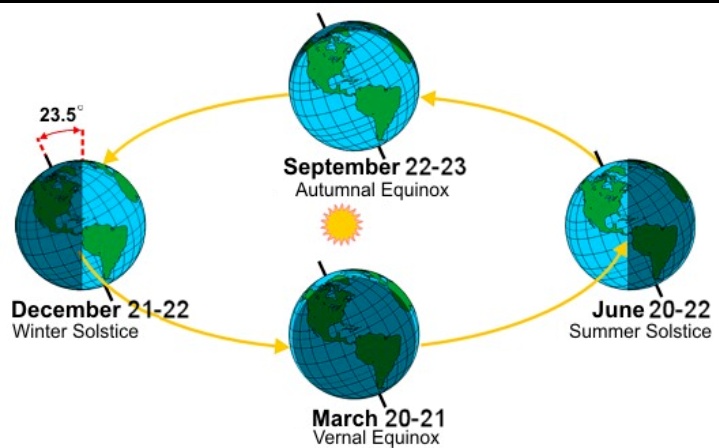
At Ostara, day and night stand equal — the hinge of balance. To the Franciscan Clarean, this is the Sermon to the Birds moment: Christ preaching through creation itself.
Modern biblical scholarship — from John Dominic Crossan to Amy-Jill Levine — emphasizes that Jesus’ Kingdom teachings were this-worldly. They’re about equity, not escape. Balance means feeding both body and soul.
In 2025, while nations pour trillions into AI warfare and orbital weapons, farmers in Africa lose entire harvests to drought. [^3] Balance has been violated.
So we plant. We bless the soil. We make our prayers compostable — meant to feed something real. The Order’s Sacred Table Healing Garden embodies this: tending herbs, healing the sick, reclaiming harmony between human and humus.
Prophetic word: “When the world forgets balance, resurrection begins in small, dirty hands.”
Beltane (May 1) — Fire, Fertility, & Love
Beltane is flame and union — earth and sky wedded by fire. The Church gave it the Feast of Joseph the Worker and the echoes of Pentecost. For Franciscan Clareans, this is when we celebrate holy eros — the creative power of love that births both beauty and justice.
In a society of commodified bodies and commodified labor, this feast shouts that love is sacred work. Francis’ love for lepers and Clare’s mystical devotion were eros purified — embodied compassion.
As labor protests and economic instability rise worldwide, [^4] this fire calls us to sanctify work itself. Host a “Feast of Holy Mischief”: music, dance, laughter, mutual aid, shared meals. Let the flames of Beltane burn away shame and division.
Prophetic word: “Every act of love is a torch against empire.”
Litha (Summer Solstice, June 21) — Radiance & Fullness
At Litha, the sun stands highest, the light most generous. Creation overflows. Francis would have sung his Canticle here, blessing “Brother Sun.”
But as Laudato Si’ warned, “our common home” now burns with another kind of fire. 2024 was recorded as the hottest year in human history. [^5] Abundance has turned to warning.
The Franciscan Clarean call: radical stewardship. Celebrate Litha outdoors with Eucharist under the open sky; bless fruit, herbs, and water; then organize to defend what you bless. Petition for renewable energy, plant trees, feed the poor.
Prophetic word: “Do not hoard the sun — reflect it.”
Lughnasadh (August 1) — Harvest & Gratitude
Named for the Celtic god Lugh, this festival offered the first fruits of the harvest. For us, it echoes the feeding of the five thousand — divine multiplication through sharing.
As inequality deepens, the Wheel demands we ask: who eats? In 2025, the World Food Programme warns that famine risk has doubled due to war and climate. [^6] Harvest becomes judgment.
Bake bread for your neighbors. Donate herbs from your garden. Bless labor and craft. Work becomes prayer.
Prophetic word: “God’s harvest is not stored in barns but in bellies.”
Mabon (Autumn Equinox, September 20–23) — Balance & Letting Go
Another balance point, but with falling leaves. Here we confront the grace of diminishment. St. Clare called it privilege of poverty — freedom through release.
Let go of excess, plans, control. In the Franciscan Clarean way, even ministries must die and compost. Only then do they fertilize future mercy.
With markets collapsing, political systems rotting, and churches closing, this is no tragedy — it’s pruning. We release what cannot hold life.
Prophetic word: “Let go, or be dragged.”
Samhain (October 31–November 2) — The Veil Thins
The Celtic new year — when the dead are near. For the Franciscan, it’s Sister Death’s feast. We honor saints, martyrs, and forgotten rebels.
This year, remember climate martyrs, whistleblowers, peace workers, and migrants lost at sea. Their blood is the seed of new prophets.
Hold a candlelit vigil — a “Saints and Rebels” night. Read names of those the world erased. Pray the Canticle of the Creatures with grief and gratitude.
Prophetic word: “The veil thins not to haunt us, but to enlist us.”
Yule (Winter Solstice, December 21–22) — Rebirth of Light
The longest night births the Christ-Child. Darkness becomes womb, not tomb. Here the Wheel touches Bethlehem, and the fire of Beltane is reborn as a baby’s breath.
As wars rage — in Ukraine, Gaza, Sudan — and nations harden their hearts, Yule whispers rebellion: Hope is the ultimate protest. Even now, the Light comes.
Share warmth with the homeless, bake for the hungry, give small gifts to strangers. The Incarnation happens in every act of tenderness.
Prophetic word: “The light the darkness cannot overcome — but it waits for your match.”
The Prophetic Spiral
The Celtic wheel is circular, but salvation history is spiral — the same seasons, deeper faith. We pass through winter again, but not unchanged. Each cycle asks more of us.
Francis and Clare didn’t seek novelty; they sought depth. Their prophecy was embodied poverty — living truth so fully it became contagion. The Franciscan Clarean movement now stands at a similar threshold: the world burns, the Church fractures, yet creation still sings.
Let our rhythm answer with humility, joy, and holy defiance. When the empires of this age fall — and they will — may they find us barefoot, tending the garden, feeding the hungry, blessing the dying, and singing under the stars.
Endnotes
[^1]: Pope Francis, Laudate Deum (2023), §§ 3–6. [^2]: United Nations FAO & WFP, Hunger Hotspots Report (July 2025). [^3]: IPCC Sixth Assessment Report (2022); UN OCHA, Drought Situation Update (2025). [^4]: International Labour Organization, World of Work Report 2025. [^5]: NOAA Global Climate Summary, 2024. [^6]: World Food Programme, Global Hunger Update, April 2025.
Final Blessing
“Praise be You, my Lord, through our Sister Mother Earth, who sustains and governs us.” — St. Francis
May this Wheel be not merely observed but lived. May the Order of Franciscan Clareans keep turning with creation, speaking truth to power, planting gardens of grace in the ruins, and proclaiming by our lives: the Kingdom of God is already sprouting.
🌄 Imbolc (February 1–2) — Feast of Light and Renewal
Celtic meaning: Brigid’s day — the return of the sun, milk, and life. Franciscan Clarean reflection: Celebrate St. Clare’s light and Mary’s purification. Bless candles, herbs, and water. Reflect on inner purity, fresh beginnings, and renewal of vows. 🕯️ Practice: Begin a 40-day simplicity challenge — declutter, forgive, and start anew.
🌸 Ostara (Spring Equinox, March 20–22) — Balance and Blossoming
Celtic meaning: The earth awakens; equal day and night. Franciscan Clarean reflection: Balance contemplation and action. Like Francis preaching to the birds, honor creation as resurrection in motion. 🌱 Practice: Plant seeds for the Sacred Table Healing Garden; meditate outdoors; bless the soil and the worms.
🔥 Beltane (May 1) — Fire, Fertility, and Love
Celtic meaning: Union of earth and sky, passion and life-force. Franciscan Clarean reflection: Celebrate sacred eros — divine creativity and incarnation. Recognize God in embodied joy and relationships. 🌹 Practice: Host a “Feast of Holy Mischief” — dancing, singing, poetry, barefoot laughter, and blessing of marriages and friendships.
☀️ Litha (Summer Solstice, June 21) — Radiance and Fullness
Celtic meaning: Longest day, the sun at its zenith. Franciscan Clarean reflection: Christ the Sun of Righteousness fills all things. Acknowledge abundance, gratitude, and the sacred duty of stewardship. 🌞 Practice: Hold an outdoor Eucharist. Share fruit and herbs. Offer acts of mercy for those who “walk in the heat of oppression.”
🌾 Lughnasadh (August 1) — Harvest and Gratitude
Celtic meaning: First fruits festival; honoring labor and skill. Franciscan Clarean reflection: Work, creation, and community as holy offerings. 🍞 Practice: Bake bread for the poor. Share your harvest. Reflect on the dignity of work and the gift of co-creation.
🍂 Mabon (Autumn Equinox, September 20–23) — Balance and Letting Go
Celtic meaning: Gratitude, balance of light and dark. Franciscan Clarean reflection: A time of detachment — “hold all things lightly.” Practice humility in abundance and trust in loss. 🍁 Practice: Create a gratitude altar. Share testimonies of grace and surrender.
💀 Samhain (October 31–November 2) — The Veil Thins
Celtic meaning: New Year; honoring ancestors and the dead. Franciscan Clarean reflection: Join Francis’s Canticle of Sister Death. Honor the communion of saints — seen and unseen. 🕯️ Practice: Light candles for the departed. Write prayers for the dying. Host a “Saints and Rebels” vigil for the forgotten and outcast.
❄️ Yule (Winter Solstice, December 21–22) — Rebirth of Light
Celtic meaning: The darkest night births the sun. Franciscan Clarean reflection: Incarnation. Christ is born again in the poor, in the cold, in the stable of the human heart. ✨ Practice: Bless your dwelling. Offer warm clothes or food to the homeless. Keep vigil by candlelight, singing the Canticle of Creation.

 Sister Abigail Hester